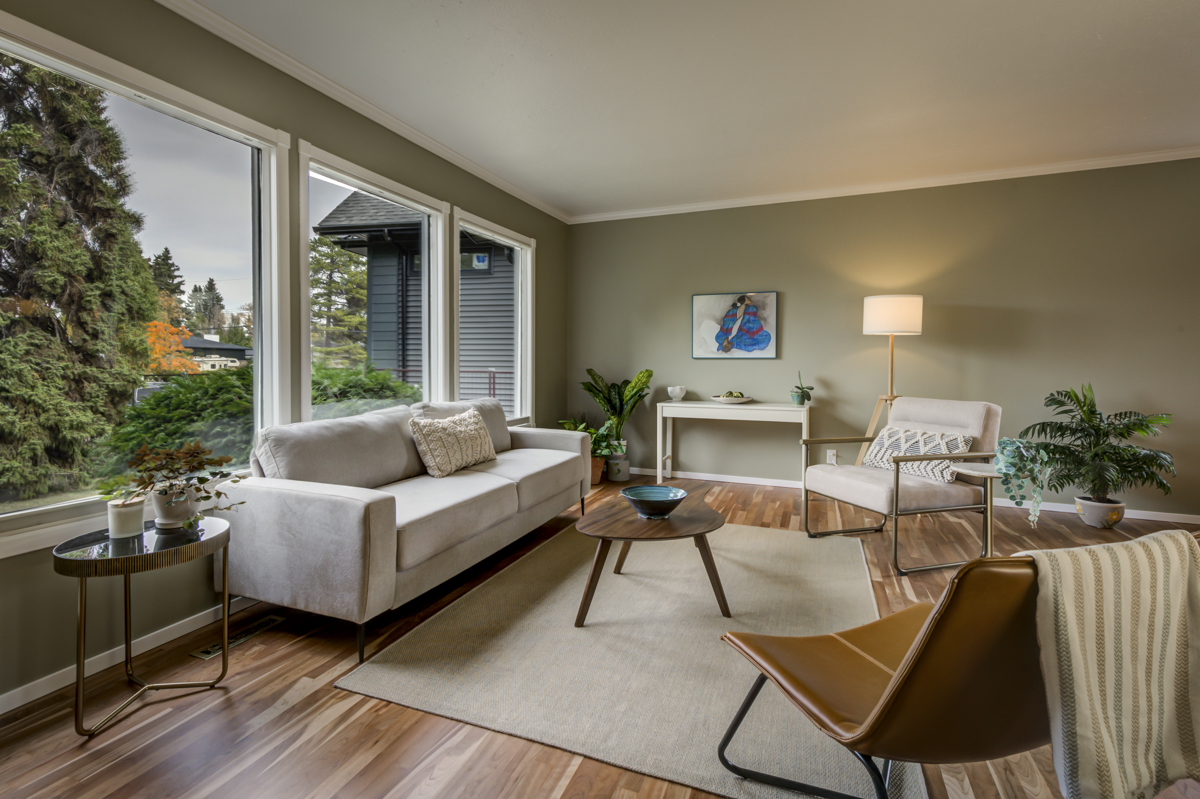
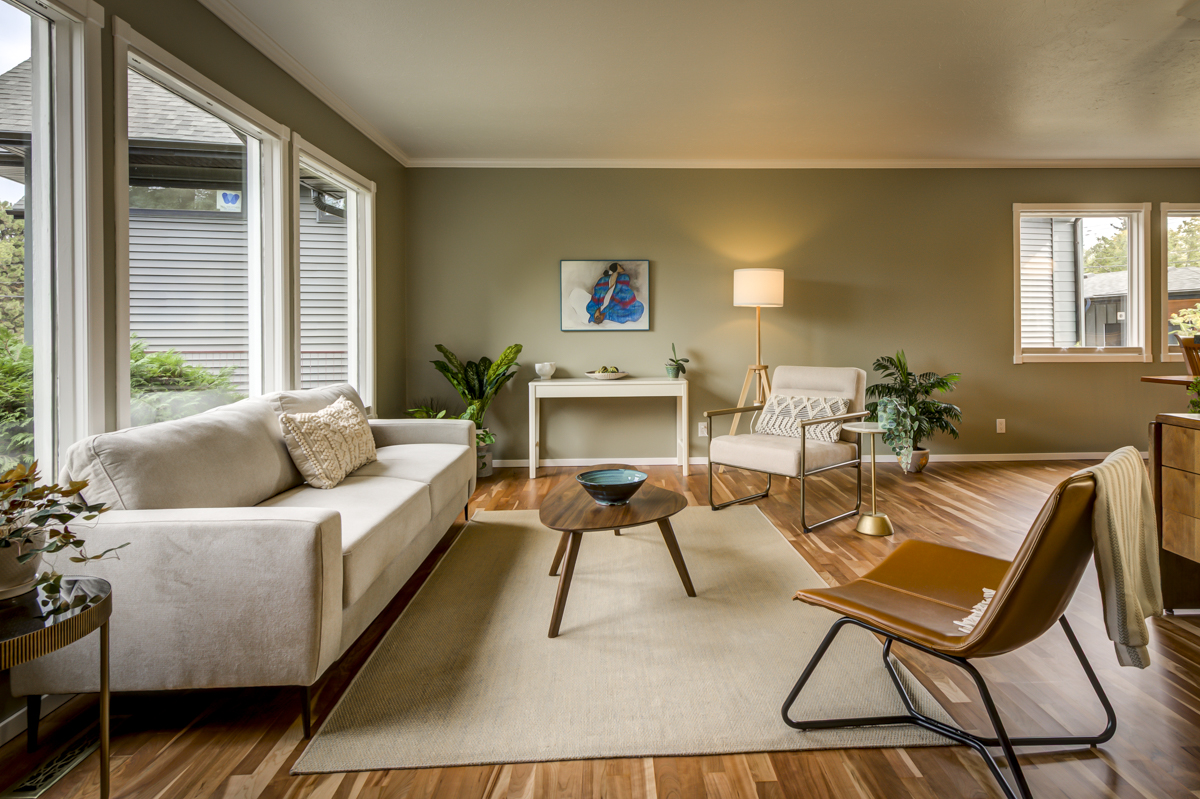
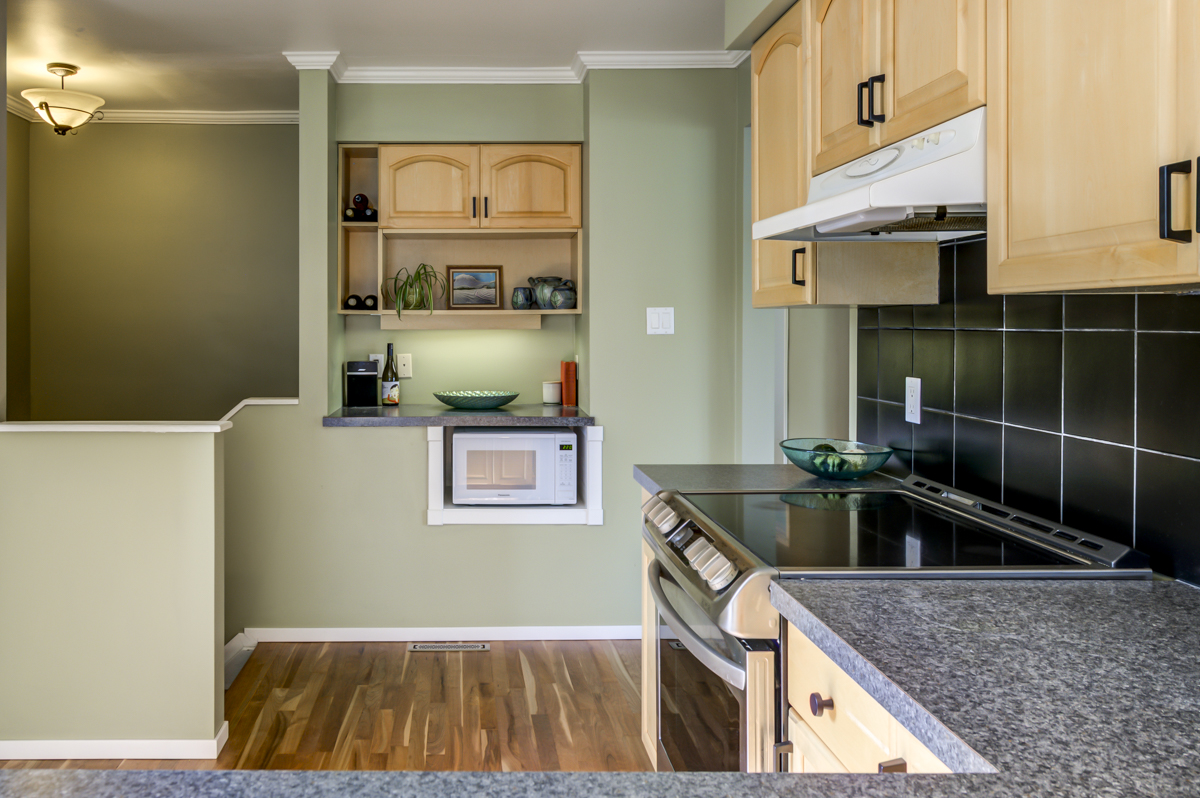
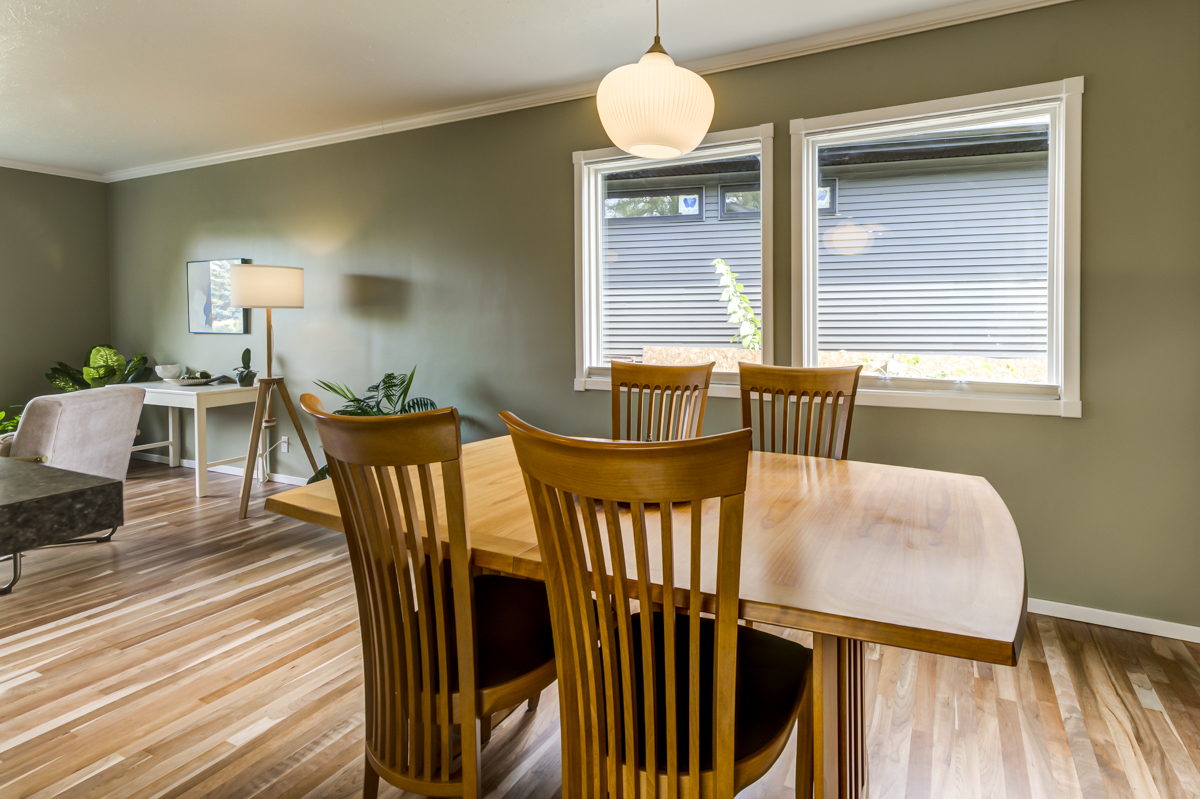

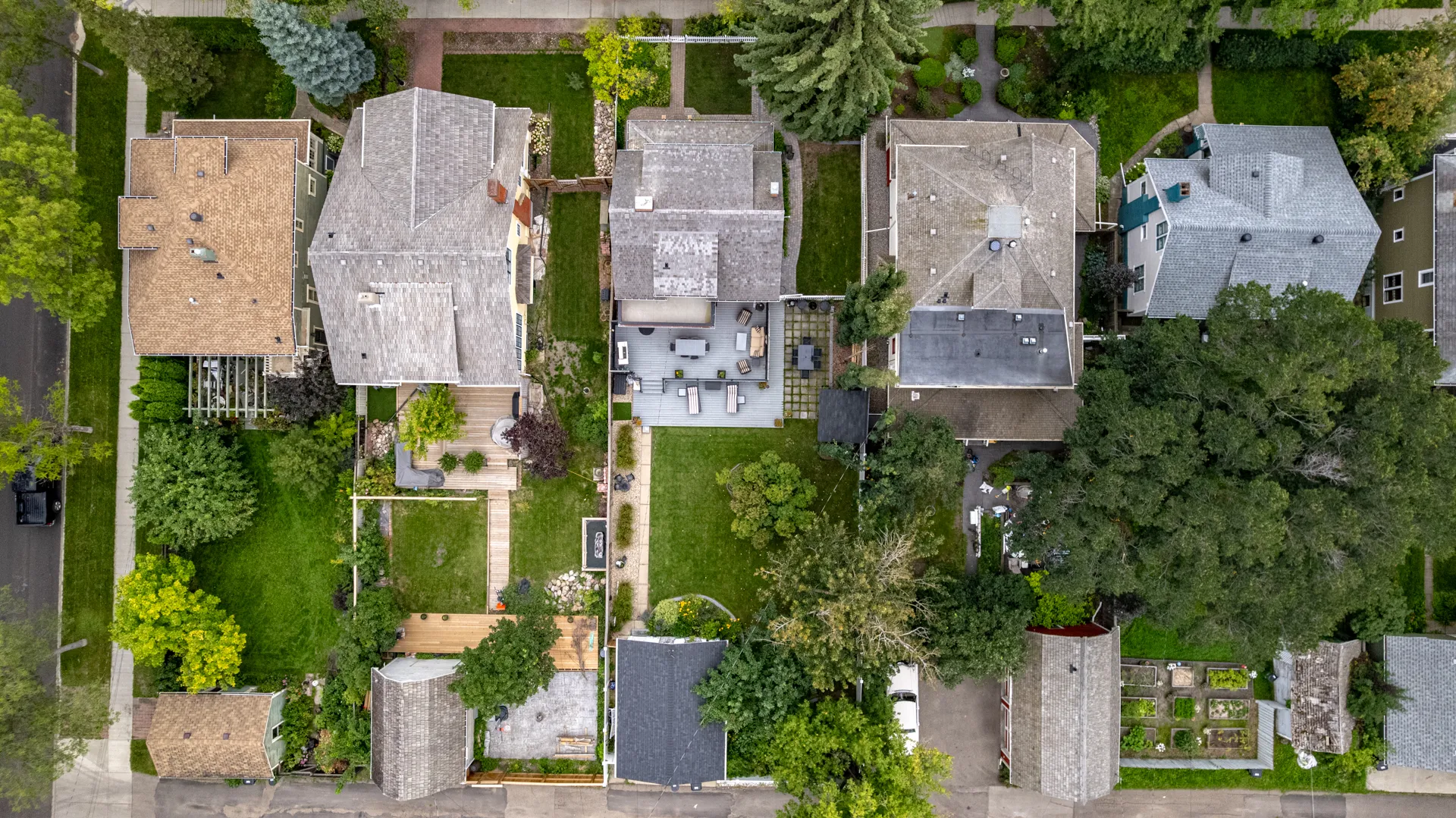
Some of Edmonton's best real estate opportunities might be hiding in neighbourhoods you haven't considered yet.
One of my favourite things about Edmonton is just how different our neighbourhoods can be.
We have beautiful historic homes, quiet streets lined with mature trees, incredible river valley access, mid-century bungalows, interesting architecture and communities with generations of history.
And sometimes, you can find many of the things you love about one neighbourhood just a few blocks away in another.
I've worked with plenty of buyers who arrive with a very specific list of communities. Glenora. Westmount. Strathcona. Laurier Heights. Crestwood.
And I understand why. They're wonderful neighbourhoods.
But after years of selling real estate throughout Edmonton, I've learned that some of the most exciting home searches happen when we start exploring beyond those familiar names.
Because sometimes you're in love with the idea of a neighbourhood, when what you're really looking for is a particular kind of home and lifestyle.
Maybe it's a character home with original hardwood floors. A big backyard for your dogs. A bungalow with a double garage. Somewhere you can walk to your favourite coffee shop. Or a house where you can finally have that greenhouse you've been dreaming about.
Once we figure out what matters, Edmonton opens up in some pretty interesting ways.
I'm Caitlin Heine, owner of ICONIC YEG with RE/MAX Real Estate. I've spent my career helping people buy and sell homes throughout Edmonton, with a particular love for our established, central neighbourhoods.
I originally wrote about Edmonton's alternative neighbourhoods in 2023. Heading into 2027, I wanted to take that idea much further.
Here are 20 neighbourhood comparisons I'd encourage Edmonton buyers to explore.
Prices vary within every neighbourhood. Some of these comparisons may give you more room in your budget; others offer a different kind of home or location. The listing links show what's available when you open them. If you're planning a 2027 move, we'll revisit prices and comparable sales closer to your purchase.
Character Homes and Historic Edmonton Streets
1. Love Glenora? Explore North Glenora, Grovenor and McQueen.
Glenora is one of Edmonton's most recognizable neighbourhoods. Beautiful historic properties, mature trees, impressive architecture and access to the river valley make it a favourite.
But if you're drawn to Glenora for its character and central location, there are some wonderful alternatives nearby.
North Glenora has a fantastic collection of older homes, mature landscaping and newer infill properties. Grovenor offers a mix of original homes and redevelopment, with convenient access to west-central Edmonton. And McQueen is a smaller neighbourhood with established residential streets that many buyers haven't explored.
I love these comparisons because they open up different possibilities, particularly for buyers who appreciate older houses and aren't afraid of a little renovation.
What I'd look for: The size and orientation of the lot, the condition of the original home, garage options and the amount of work required. A beautiful house in Grovenor might suit your life better than a smaller property in Glenora.
Compare current listings: Glenora | North Glenora | Grovenor | McQueen.
2. Love Westmount? Take a Look at Inglewood, Woodcroft and Prince Rupert.
Westmount has so much going for it. Historic homes, 124 Street, mature trees and a wonderful mix of architecture.
I've sold some incredible properties here, and I completely understand the appeal.
But Inglewood is absolutely worth exploring if you love older homes and character. You'll find everything from original houses to contemporary infill.
Woodcroft offers established residential streets and access to Coronation Park, while Prince Rupert is a small central neighbourhood with convenient connections to downtown and Kingsway.
All three offer different opportunities for buyers who love central Edmonton.
What I'd look for: If 124 Street is the attraction, consider how often you actually plan to walk there. If it's the historic architecture, we can focus on finding the right house regardless of the neighbourhood name.
Compare current listings: Westmount | Inglewood | Woodcroft | Prince Rupert.
3. Love Crestwood? Compare Parkview, Grovenor and Rio Terrace.
Crestwood has some beautiful homes, established streets and a strong connection to the river valley.
But buyers who appreciate Crestwood should also be looking at Parkview, particularly if mature lots and proximity to the river valley are priorities.
Grovenor is worth considering for its variety of older homes and newer construction.
And Rio Terrace is one of those west Edmonton neighbourhoods I think more buyers should explore. It has mature homes, a residential atmosphere and access to the river valley.
The houses and price points can vary considerably across these communities, so I wouldn't assume they're direct substitutes.
What I'd look for: Are you paying for the house, the lot, the location or a particular view? Those are four very different things, and understanding the difference can save you from making an expensive compromise.
Compare current listings: Crestwood | Parkview | Grovenor | Rio Terrace.
4. Love Highlands? Discover Bellevue, Virginia Park and Beverly Heights.
Highlands is one of Edmonton's most interesting historic neighbourhoods.
The architecture, mature trees, local businesses and connection to the river valley give it a distinctive personality.
But just beyond Highlands are some neighbourhoods that deserve more attention.
Bellevue has older homes, mature residential streets and proximity to the river valley. Virginia Park is a small neighbourhood near Borden Park with an interesting mix of properties. And Beverly Heights offers another opportunity to explore established northeast Edmonton housing.
If you appreciate character homes, original details and neighbourhoods with history, these are absolutely worth a drive.
What I'd look for: The condition of older homes, previous renovations, sewer and electrical systems, foundations and the quality of maintenance over the years.
I love old houses, but I also want my buyers to know what they're buying.
Compare current listings: Highlands | Bellevue | Virginia Park | Beverly Heights.
South-Central Edmonton: Character, Community and Walkability
5. Love Strathcona? Explore Alberta Avenue, Parkdale and Queen Alexandra.
Strathcona is iconic Edmonton.
Whyte Avenue, historic homes, independent businesses, festivals, restaurants and a community with a personality all its own.
But if you're looking for an older home with character and a neighbourhood with an interesting local culture, I'd encourage you to explore a little further.
Alberta Avenue has a wonderful collection of older properties, independent businesses and arts and cultural activity.
Parkdale offers another mix of original homes and infill, with convenient access to central Edmonton.
And Queen Alexandra is a great option if you're drawn to Strathcona's south-central location and proximity to the University of Alberta.
These neighbourhoods are quite different from one another, which is what makes the comparison interesting.
What I'd look for: Walkability, local businesses, the condition of the property and how the neighbourhood feels at different times of day.
Compare current listings: Strathcona | Alberta Avenue | Parkdale | Queen Alexandra.
6. Love Ritchie? Check Out Hazeldean, King Edward Park and Avonmore.
Ritchie has become a favourite for buyers who love mature neighbourhoods, local businesses and access to Mill Creek Ravine.
And I get it. There's a lot to love.
But Hazeldean deserves a spot on your list. It offers older homes, mature residential streets and convenient access to Mill Creek.
King Edward Park has a great mix of original homes, infill and access to Whyte Avenue.
And Avonmore is another established community with mid-century homes and access to the Mill Creek trail system.
If you're hoping to find a bungalow with character, a garage and a yard, I'd explore all four.
What I'd look for: The size of the home, lot configuration, garage access and proximity to the places you actually use. Sometimes moving a few blocks changes your options considerably.
Compare current listings: Ritchie | Hazeldean | King Edward Park | Avonmore.
7. Love Belgravia? Consider Parkallen, McKernan and Allendale.
Belgravia has beautiful mature streets, proximity to the University of Alberta and access to the river valley.
It's a lovely place to live.
But Parkallen has a lot to offer buyers looking for established residential streets, older homes and access to south-central Edmonton.
McKernan is worth exploring if university access and transit are important, while Allendale offers another mix of original homes and newer infill.
These are particularly interesting neighbourhoods for buyers who want to remain close to the university without limiting themselves to one community.
What I'd look for: Housing type, redevelopment activity, parking, transit access and the property's long-term suitability.
Compare current listings: Belgravia | Parkallen | McKernan | Allendale.
8. Love Garneau? Explore Queen Alexandra, McKernan and Strathcona.
Garneau is one of Edmonton's most walkable urban neighbourhoods, particularly for people connected to the University of Alberta.
But if you're searching for a condo, townhouse or older home in this part of the city, I'd widen the search.
Queen Alexandra has a mix of houses, condos and rental properties. McKernan offers university access with more residential streets, and Strathcona brings a completely different atmosphere with its restaurants, businesses and entertainment.
For condo buyers especially, the building matters just as much as the neighbourhood.
What I'd look for: Condo fees, reserve funds, building maintenance, special assessments, parking and the actual condition of the property.
A beautiful condo at an attractive asking price isn't necessarily a good purchase if the building has significant financial or maintenance issues.
Compare current listings: Garneau | Queen Alexandra | McKernan | Strathcona.
9. Love Bonnie Doon? Don't Overlook Holyrood and Idylwylde.
Bonnie Doon is popular for good reason. Its central location, mature streets, access to Mill Creek and Valley Line LRT connections make it an appealing place to live.
But Holyrood is absolutely worth exploring alongside it.
Holyrood offers mature homes, established streets and convenient access to southeast-central Edmonton.
And Idylwylde is another interesting neighbourhood with older houses, mature landscaping and proximity to Bonnie Doon amenities.
These communities are close enough that you can compare properties without dramatically changing the part of the city you're considering.
What I'd look for: The house itself, renovation history, yard, garage and proximity to transit or trails.
Compare current listings: Bonnie Doon | Holyrood | Idylwylde.
Mid-Century Homes, Mature Lots and Beautiful Bungalows
10. Love Laurier Heights? Take a Drive Through Meadowlark Park and Lynnwood.
Laurier Heights has some spectacular homes, beautiful lots and proximity to the river valley.
But if you're drawn to its mature trees, original bungalows and established residential streets, you may find interesting possibilities in Meadowlark Park and Lynnwood.
Both neighbourhoods offer mid-century housing, mature landscaping and convenient access to west Edmonton amenities.
And I have a particular appreciation for original bungalows.
There is something wonderful about finding a solid older home with good proportions, natural light and a yard you can make your own.
What I'd look for: Original construction quality, layout, basement condition, windows, mechanical systems and the cost of renovations.
A thoughtfully renovated older home can be an incredible purchase. So can an original home with the right bones and a realistic renovation budget.
Compare current listings: Laurier Heights | Meadowlark Park | Lynnwood.
11. Love Ottewell? Explore Kenilworth, Idylwylde and Terrace Heights.
Ottewell is a favourite among buyers looking for mid-century homes, established streets and convenient access to southeast Edmonton.
But there are several nearby communities worth considering.
Kenilworth has a great selection of older bungalows and mature residential streets.
Idylwylde offers another mix of established homes and central access.
And Terrace Heights is worth exploring for its residential streets, parks and proximity to nearby amenities.
I love showing buyers these neighbourhoods because there can be considerable variation between individual properties.
What I'd look for: Garage size, lot dimensions, basement development, structural condition and the improvements made over the years.
Compare current listings: Ottewell | Kenilworth | Idylwylde | Terrace Heights.
12. Love Pleasantview? Look at Lendrum Place, Malmo Plains and Greenfield.
Pleasantview offers an appealing combination of mature homes and access to south Edmonton amenities.
But Lendrum Place is another established neighbourhood with beautiful residential streets and a variety of older homes.
Malmo Plains offers a mix of housing options near Southgate, while Greenfield has mature streets, original bungalows and convenient access to southwest Edmonton.
If you're looking for a home with a yard, a garage and a manageable commute, these neighbourhoods deserve consideration.
What I'd look for: The layout of the house, basement ceiling height, renovation potential and proximity to transit, schools or shopping.
Compare current listings: Pleasantview | Lendrum Place | Malmo Plains | Greenfield.
13. Love Aspen Gardens? Explore Royal Gardens, Greenfield and Lansdowne.
Aspen Gardens is known for its mature residential setting and access to southwest Edmonton's green spaces.
But Royal Gardens offers a wider mix of housing types, including houses, townhouses and condos.
Greenfield has established streets and older homes, while Lansdowne is worth exploring for its location near the University of Alberta's South Campus and access to the Whitemud Creek area.
These neighbourhoods are particularly interesting if you want mature landscaping and an established community but are flexible about the type of home.
What I'd look for: Lot size, surrounding development, nearby trails, home condition and the amount of maintenance you're comfortable taking on.
Compare current listings: Aspen Gardens | Royal Gardens | Greenfield | Lansdowne.
River Valley Living: One of Edmonton's Greatest Features
14. Love Riverdale? Explore Cloverdale, Rossdale and Forest Heights.
This one is personal.
I've lived in Riverdale for years, and I genuinely love it.
Being able to walk into the river valley, enjoy the trails, see wildlife and still be minutes from downtown is something I appreciate every day.
But Riverdale isn't the only neighbourhood offering that connection to nature.
Cloverdale sits along the river valley near downtown and offers a mix of housing options.
Rossdale has a fascinating history and an incredible central location near the river.
And Forest Heights offers established residential streets, beautiful homes and some remarkable river valley and downtown views.
These neighbourhoods each have their own personality.
What I'd look for: Actual trail access, property elevation, surrounding development, lot privacy and the view from the specific home.
A river valley address doesn't automatically mean a river valley view.
Compare current listings: Riverdale | Cloverdale | Rossdale | Forest Heights.
15. Love Strathearn? Consider Holyrood, Forest Heights and Fulton Place.
Strathearn has a wonderful location near the river valley, with mature residential streets and access to central Edmonton.
But Holyrood offers another established neighbourhood nearby, with parks, older homes and convenient transit connections.
Forest Heights is worth exploring if river valley proximity is a priority.
And Fulton Place has mature streets, original homes and a residential setting that may appeal to buyers looking for a little more space.
What I'd look for: Whether your priority is a view, a trail, a larger lot or the house itself. These aren't always found together.
Compare current listings: Strathearn | Holyrood | Forest Heights | Fulton Place.
16. Love Windsor Park? Explore Belgravia, Grandview Heights and Lansdowne.
Windsor Park has some of Edmonton's most impressive homes and an exceptional location near the University of Alberta and river valley.
But if you're looking in this part of Edmonton, I would absolutely include Belgravia and Grandview Heights.
Both offer distinctive residential settings and access to some of the city's most beautiful green spaces.
Lansdowne is another neighbourhood worth considering, particularly for buyers who appreciate mature streets and southwest-central access.
These aren't necessarily lower-priced alternatives. Some properties in these communities command substantial prices.
But luxury buyers benefit from exploring more than one neighbourhood too.
What I'd look for: Architectural quality, lot characteristics, privacy, renovations, redevelopment potential and how the property compares with recent sales.
Compare current listings: Windsor Park | Belgravia | Grandview Heights | Lansdowne.
More Edmonton Neighbourhoods Worth Discovering
17. Love Griesbach? Explore Dovercourt, Sherbrooke and Prince Charles.
Griesbach has a distinctive neighbourhood design, with parks, walking paths and a mix of housing styles.
But if you appreciate established communities and want to explore other north-central Edmonton options, take a look at Dovercourt, Sherbrooke and Prince Charles.
These neighbourhoods have older housing stock and different residential layouts, so they offer a very different experience from Griesbach.
For buyers open to renovating or purchasing an original home, they may be worth considering.
What I'd look for: The age and condition of the home, lot dimensions, surrounding properties and whether you prefer newer construction or an established older house.
Compare current listings: Griesbach | Dovercourt | Sherbrooke | Prince Charles.
18. Love Capilano? Explore Gold Bar, Fulton Place and Rundle Heights.
Capilano has long been appealing to buyers who appreciate mature homes and river valley access.
But Gold Bar is another neighbourhood I'd include in the search, particularly if trails and green space matter to you.
Fulton Place offers established residential streets and mid-century homes.
And Rundle Heights provides another opportunity to explore homes near Edmonton's river valley park system.
These neighbourhoods can offer different combinations of house size, lot, location and outdoor access.
What I'd look for: The specific property's proximity to trails, the condition of the house and the features you're getting for your budget.
Compare current listings: Capilano | Gold Bar | Fulton Place | Rundle Heights.
19. Love Downtown Condo Living? Explore Wîhkwêntôwin, Queen Mary Park and Boyle Street.
Not every buyer is looking for a detached house.
For some people, the dream is a beautiful condo, walkable amenities, less yard maintenance and easy access to everything central Edmonton offers.
If you're looking downtown, I'd encourage you to compare buildings in Wîhkwêntôwin (formerly Oliver), Queen Mary Park and Boyle Street as well.
These communities offer different housing options, streetscapes and building types.
And with condos, I can't stress enough how important it is to investigate the building.
What I'd look for: Reserve fund studies, condo documents, monthly fees, insurance, building maintenance, management and potential future expenses.
A lower asking price can be attractive, but the true cost of ownership matters.
Compare current listings: Downtown | Wîhkwêntôwin | Queen Mary Park | Boyle Street.
20. Love the Neighbourhood You Already Live In? You Might Not Need to Leave.
This might be my favourite alternative of all.
Sometimes people come to me because they want a different house, but they don't actually want a different neighbourhood.
They love their neighbours. They love the nearby parks. They have their favourite walking routes, local businesses and community connections.
They just don't need five bedrooms anymore.
Or they're tired of maintaining a big yard.
Or they want a bungalow instead of a two-storey house.
Before we start looking across the city, I always think it's worth exploring what else might be available in the community you already love.
A smaller detached house, townhouse, half duplex or bungalow-style condo might offer exactly the lifestyle change you're looking for.
And if you have a property to sell, we can look at both sides of the move together.
Read my guide to downsizing in Edmonton
So, What Can You Actually Buy in Edmonton in 2027?
This is where I think buyers should start getting excited.
Because once you stop limiting yourself to a handful of neighbourhood names, you can begin comparing what your money will actually buy across Edmonton.
Maybe your budget is $350,000 and you're deciding between a condo in a favourite central neighbourhood or an older house somewhere you haven't considered.
Maybe you're looking around $500,000 and hoping to find a bungalow with a double garage.
Or perhaps you're shopping above $1 million and want something architecturally interesting, with privacy, mature landscaping and an exceptional location.
Every budget comes with choices.
And the more clearly we understand your priorities, the better we can evaluate those choices.
I've organized the Edmonton property searches on my website by price range so you can see what's currently available.
Browse Edmonton Homes by Price
You can explore homes from under $300,000 to over $1.5 million, with separate searches for houses and condos.
On my website, houses means the full Single Family category, including attached and detached homes. Condo is an ownership category, so those searches can include apartment-style homes, townhouses, half duplexes and bungalow-style condos. We can compare the options before narrowing the search.
Remember, though, asking prices are only part of the picture.
When I'm helping a buyer, we're also looking at comparable sales, property condition, location, potential expenses and how a home fits into their longer-term plans.
I want you to love your home, but I also want you to understand your purchase.
My Advice for Edmonton Buyers Heading Into 2027
After more than 300 home sales, one thing I've learned is that buyers make better decisions when they understand their options.
And I don't think that means looking at 50 houses every weekend.
It means knowing what matters to you, understanding the market and being willing to explore possibilities you might have overlooked.
Here's what I'd encourage you to do:
Start with the lifestyle you want. Think about how you spend your time, where you go regularly and what you want your home to offer.
Be open to a few more neighbourhoods. You might be surprised by what you discover.
Look beyond the pretty pictures. The condition of the property, its systems, renovations and ongoing maintenance matter.
Understand the numbers. Asking prices, comparable sales, ownership costs and potential renovations all deserve consideration.
And don't be afraid to fall in love with somewhere unexpected.
Some of my favourite real estate experiences have involved helping people discover a home or neighbourhood they never imagined choosing.
That's part of what makes this work so rewarding.
Thinking About Buying or Selling in Edmonton in 2027? Let's Talk.
I love Edmonton's mature neighbourhoods, historic homes, interesting architecture and the communities that make this city what it is.
And I love helping people find the right place within them.
Whether you're looking for your first home, moving into something larger, downsizing or hoping to find a beautiful character property, I'd be happy to help you explore your options.
Tell me what you're looking for, which neighbourhoods you love and what you'd like your next home to offer.
I'll help you understand what's available, compare the possibilities and make an informed decision.
If you have a home to sell first, tell me your property address, the timing you have in mind and where you'd like to go next. We can look at the sale and purchase together.
Owner, ICONIC YEG | RE/MAX Real Estate
Edmonton REALTOR®
Call 587-336-3176 or email caitlin@iconicyeg.com.
See how I prepare and market Edmonton homes.
Contact Caitlin Heine About Buying or Selling in Edmonton
Explore Edmonton Homes by Price | Find Out What Your Home Is Worth