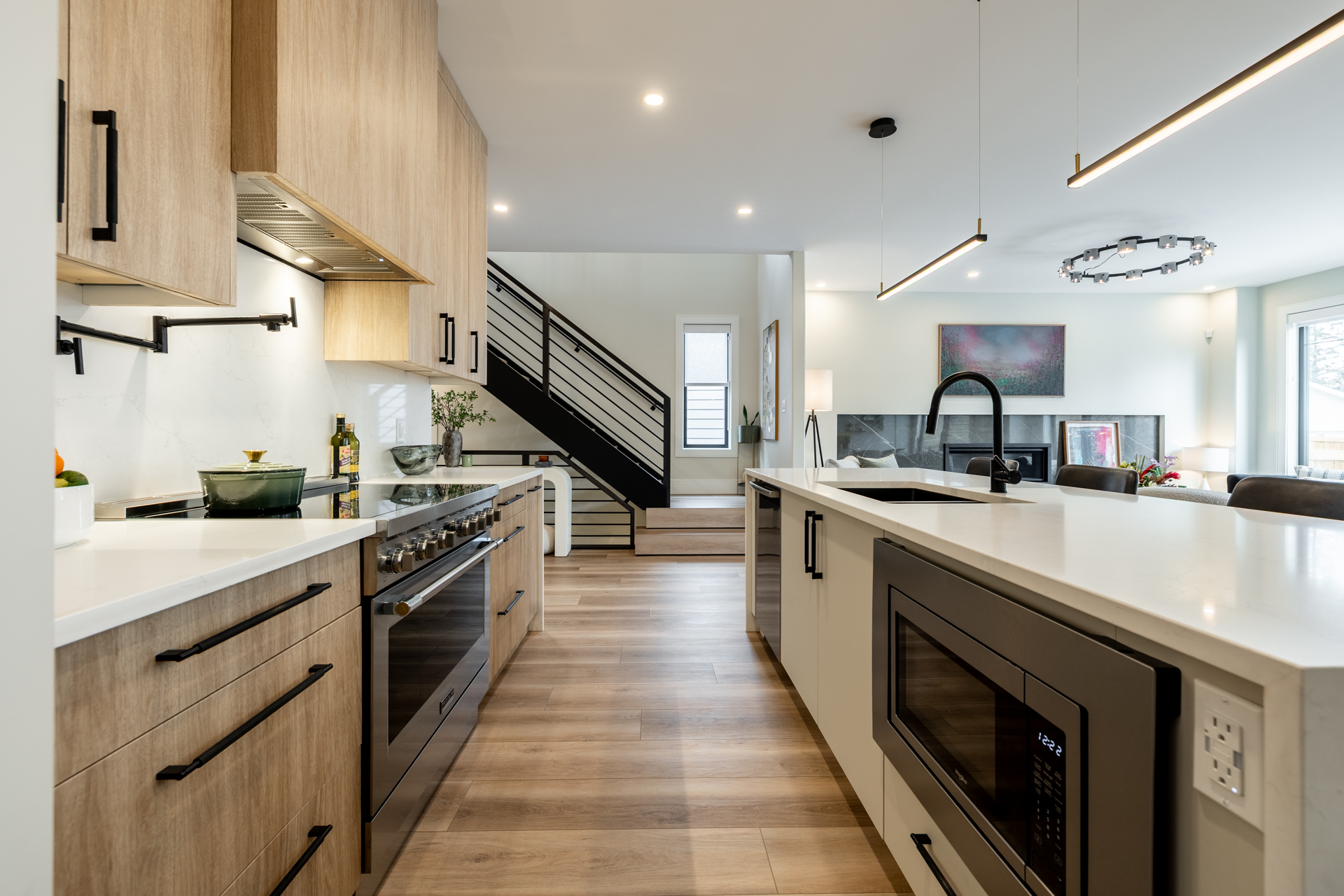
I’ve noticed buyers becoming less willing to imagine what a home could be. In a world of perfect interiors and endless inspiration, it may be time to reconsider what actually makes a house worth buying.
Edmonton Home Buyers Are Looking at Houses Differently
After nine years in Edmonton real estate, one of the biggest changes I have noticed has very little to do with prices, interest rates or inventory.
Buyers seem to have become less willing to imagine possibility.
Earlier in my career, I staged the odd house when it really needed help. Today, I find myself considering staging for almost every listing. Not because there is anything actually wrong with the house, but because buyers increasingly seem to need to see the finished picture before they can understand what a space could become.
Maybe that is inevitable in the world we live in now.
We spend an enormous amount of time looking at Instagram, Pinterest, TikTok, renovation shows and beautifully photographed real estate listings. We see perfect kitchens, perfect nurseries, perfect mudrooms and bathrooms containing approximately fourteen different sources of ambient lighting.
We are constantly consuming the finished version of other people's homes.
I think it has made us very good at recognizing what we like.
I am not convinced it has made us better at imagining what isn't already there.
And when you are buying a home, that can become an expensive limitation.
When Did “Pretty” Become the Same Thing as “Good”?
Somewhere along the way, pretty started functioning as a shortcut for good.
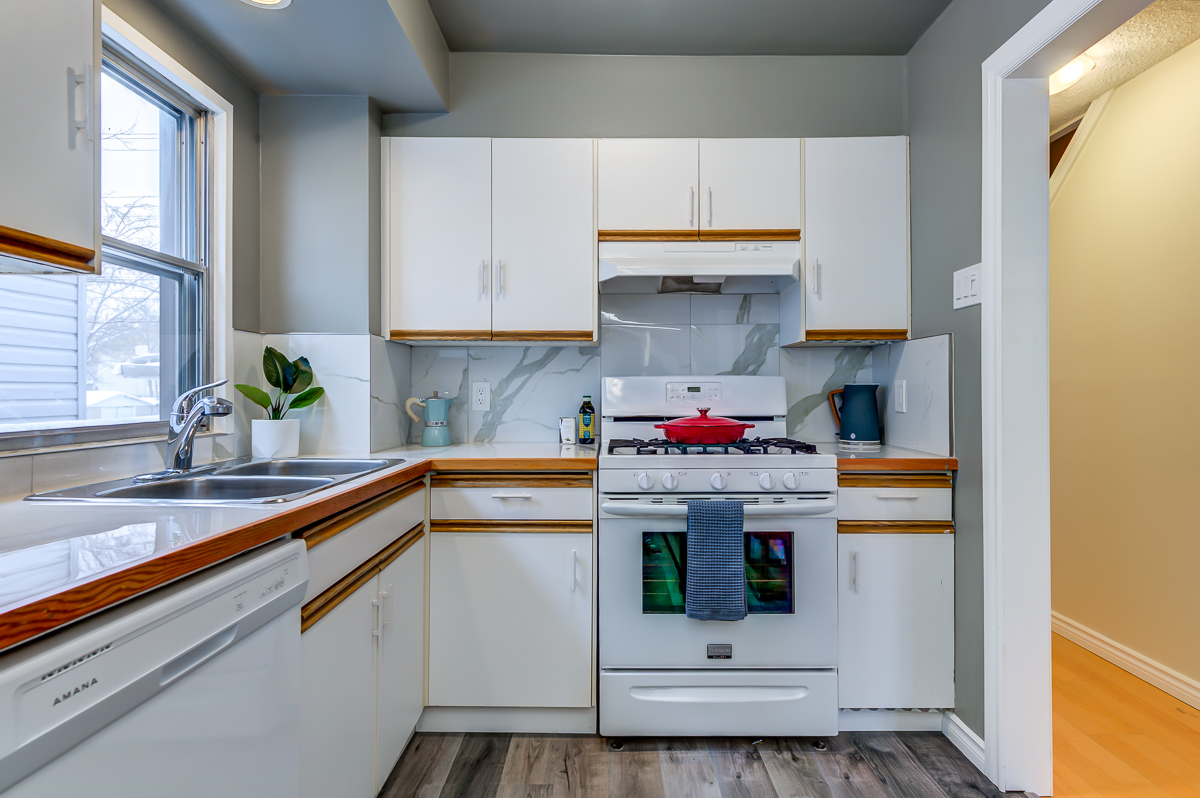
A house can be incredibly well built, meticulously maintained, on a beautiful lot, in a great Edmonton neighbourhood, with wonderful natural light and years of useful life left in it, and still be dismissed because the cabinets are oak.
Meanwhile, another house can be newly renovated, photograph beautifully and hit every current design trend while having an aging roof, old windows, poor drainage, tired mechanical systems or a location the buyer likes considerably less.
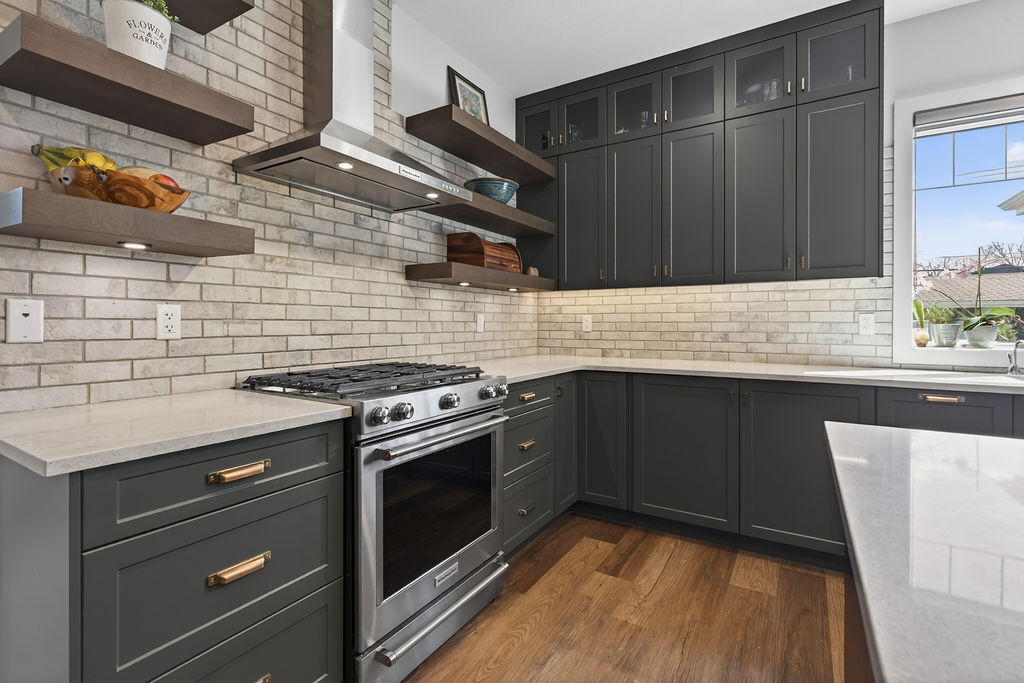
But look at that kitchen.
The problem is that many of the things that make a house genuinely good don't photograph particularly well.
Responsible maintenance isn't sexy. Neither is a newer sewer line. A quiet street doesn't jump out of an Instagram photo. Good neighbours aren't visible in listing pictures. Neither is the feeling of walking around your neighbourhood at night and feeling safe.
Your First Home Does Not Need to Be Your Forever Home
Another change I have noticed is the number of buyers who are unwilling to consider renovations.
And I don't mean lifting a house or replacing a foundation.
Sometimes we are talking about paint.
Flooring.
Cabinets.
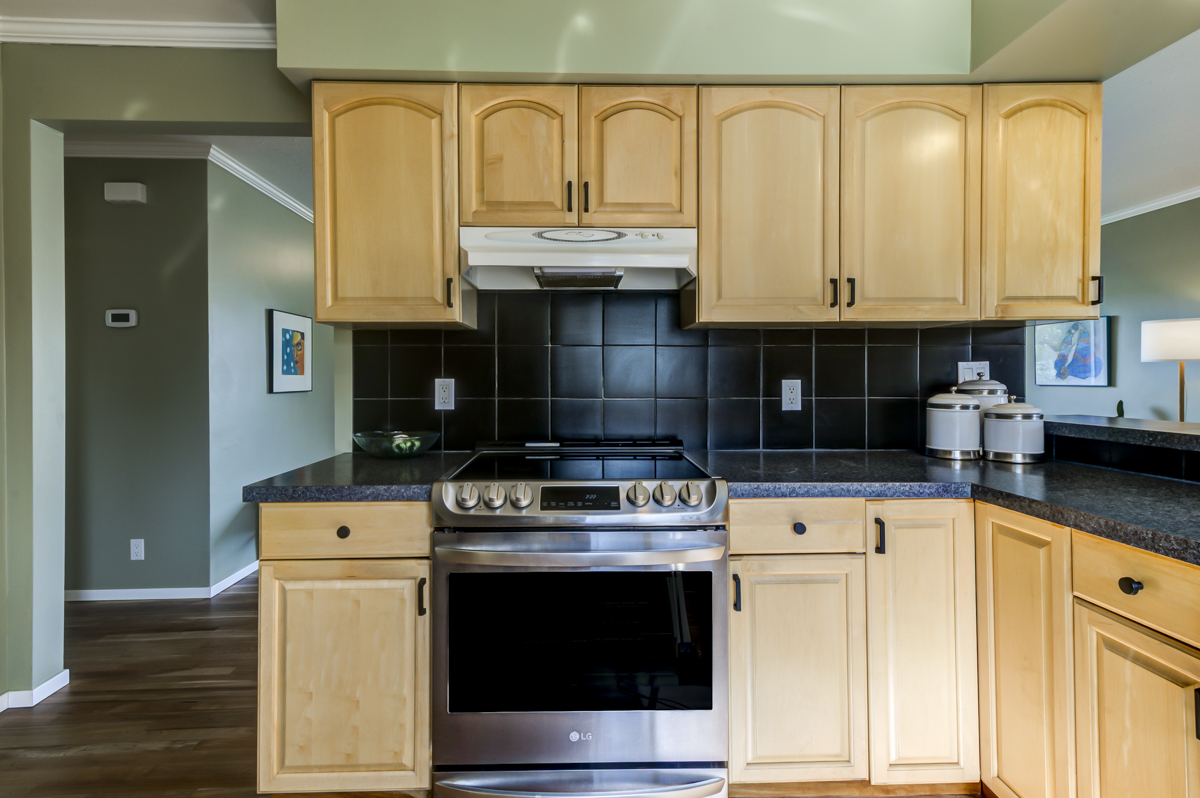
A perfectly functional bathroom that happens to have committed the unforgivable crime of being renovated in 2009.
There seems to be an increasing expectation that a first home should already contain the finished version of the life someone eventually wants to have.
Every baby gets their own bathtub. The kitchen must be current. There should be an ensuite. The basement should already be finished. The backyard should be landscaped. Ideally, nobody should ever have to pick up a paintbrush.
I understand wanting those things.

But every buyer has a budget. Whether you are buying your first Edmonton home for $350,000 or your next one for $1.5 million, eventually mathematics enters the conversation and ruins everyone's fun.
Every choice has a cost.
If more of your budget goes toward getting every finish you want today, maybe you sacrifice the larger lot. Maybe you move farther from the neighbourhood you really wanted. Maybe you accept a busier street because the kitchen has the right cabinets. Maybe you take on a larger mortgage and sacrifice some of the financial freedom you wanted homeownership to provide.
Those are compromises too. Not renovations, but costly compromises.
The Problem With Buying the Latest Home Design Trend
There is another problem with making finishes one of the primary metrics we use to judge a home.
Fashion moves.
And it has absolutely no loyalty to the expensive renovation you just completed.
Think about what has happened in home design in just the last decade.
Grey was everywhere. Grey walls. Grey flooring. Grey cabinets. Grey on grey with a slightly different grey for warmth.
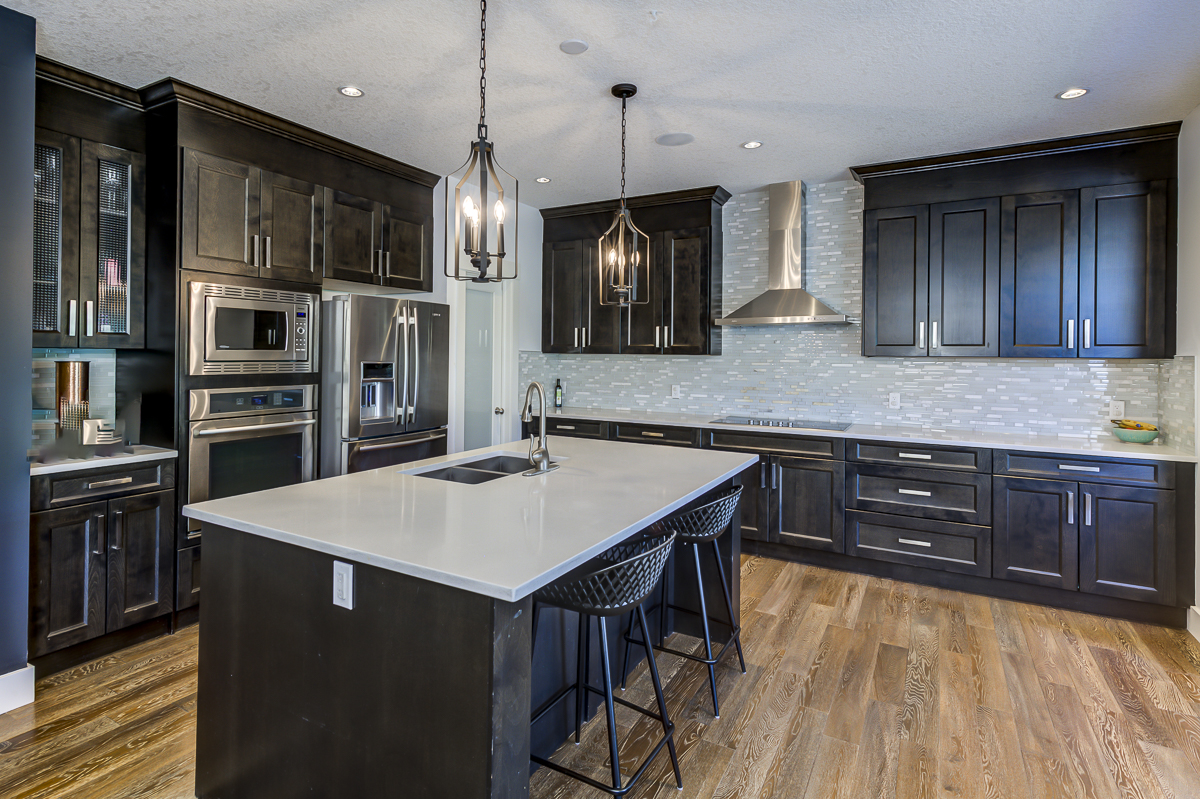
Then suddenly grey was cold and dated.
Open concept was the dream. Walls came down everywhere. Then we all spent considerably more time at home and remembered why humans invented doors.
Now people are rediscovering separation, privacy, quiet spaces and rooms with actual purposes.
White kitchens became almost mandatory. Today, warmer woods, colour, texture and more traditional finishes are returning.
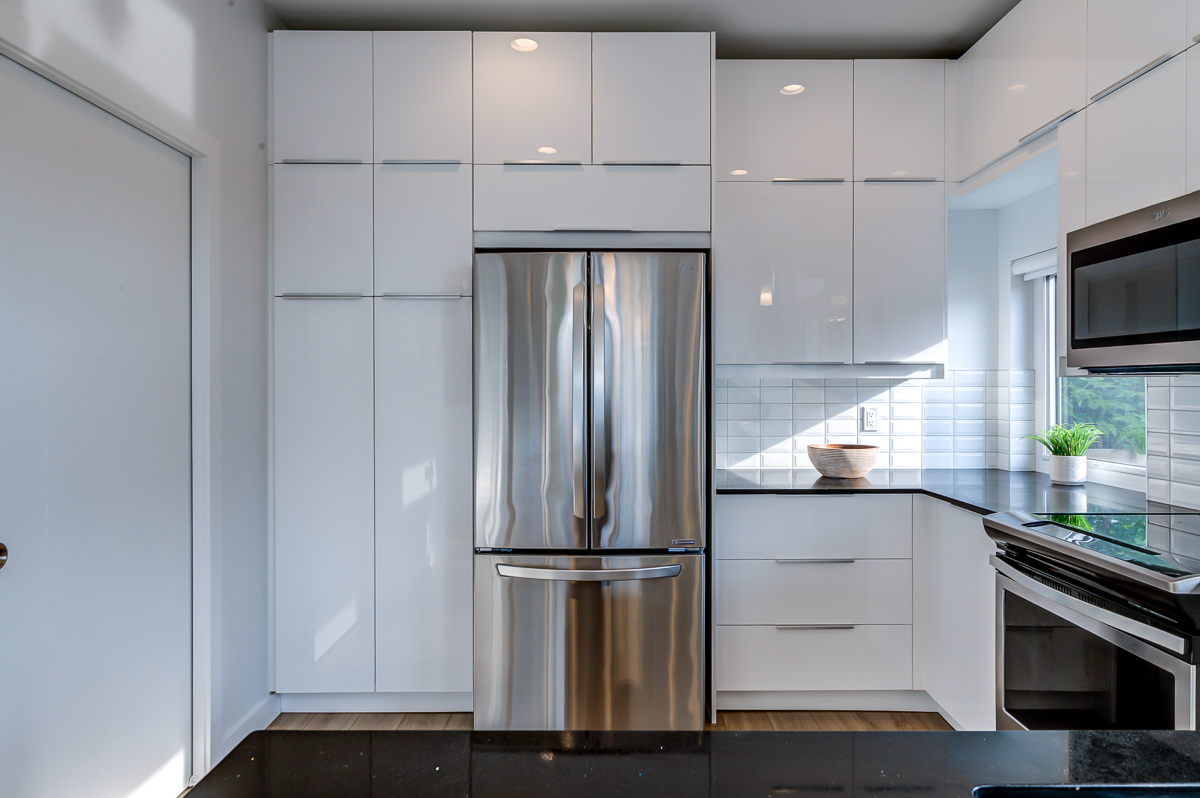
Today's dream house will eventually contain yesterday's finishes.
That has always been true.
So by all means, care about design. I certainly do. I love Mid Century everything.
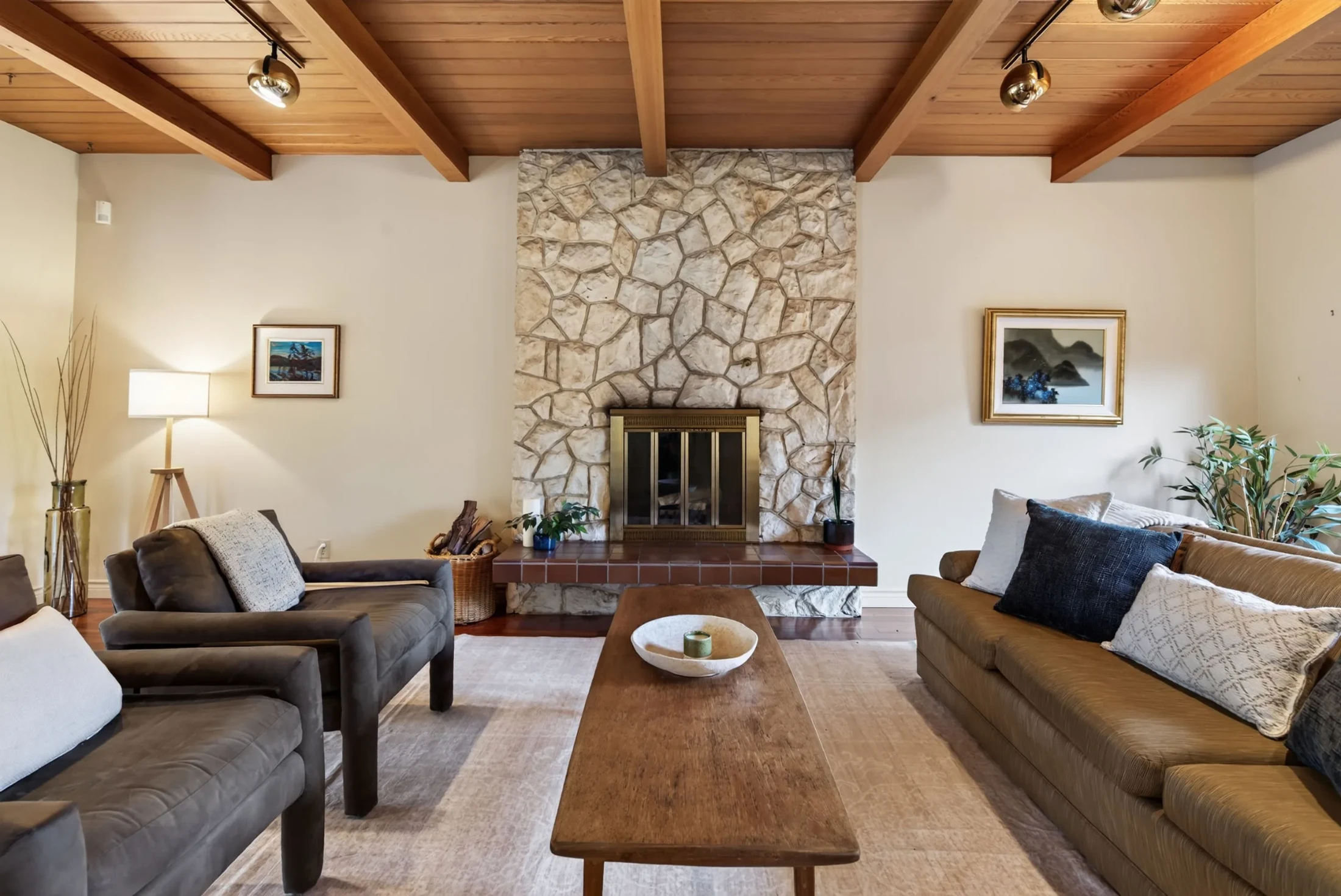
Just don't confuse fashionable with valuable.
You cannot chase fashion and call it value because fashion will move again.
And you will eventually live long enough to watch something you personally ripped out become desirable again. This is how design keeps us humble.
You Can Change the House. You Can't Change the Location.
There is an old saying in real estate: you can change the house, but you can't change the location.
You can paint walls. You can replace flooring. You can change cabinets, countertops, fixtures and tile. You can renovate the bathroom in five years. You can finish the basement when you can comfortably afford to. You can improve a house gradually as your income, family and taste evolve.
You cannot move the lot.
You cannot change the street.
You cannot make the yard larger.

You cannot pick up the house and move it closer to the North Saskatchewan River Valley, your children's school, your family, your work or the community you actually wanted to live in.
You cannot renovate your way out of a location you never really liked.
Those things deserve serious consideration.
The backsplash does too.
Just considerably less.
What Should You Actually Look for When Buying a Home in Edmonton?
I don't think my job as a REALTOR® is simply to help a buyer find the house they like most.
Part of my job is helping them understand why they like it and whether the things they are assigning value to deserve that value.
When you walk into a house and immediately dislike it, ask yourself what you are actually reacting to.
Is the layout wrong for the way you live, or do you hate the furniture?
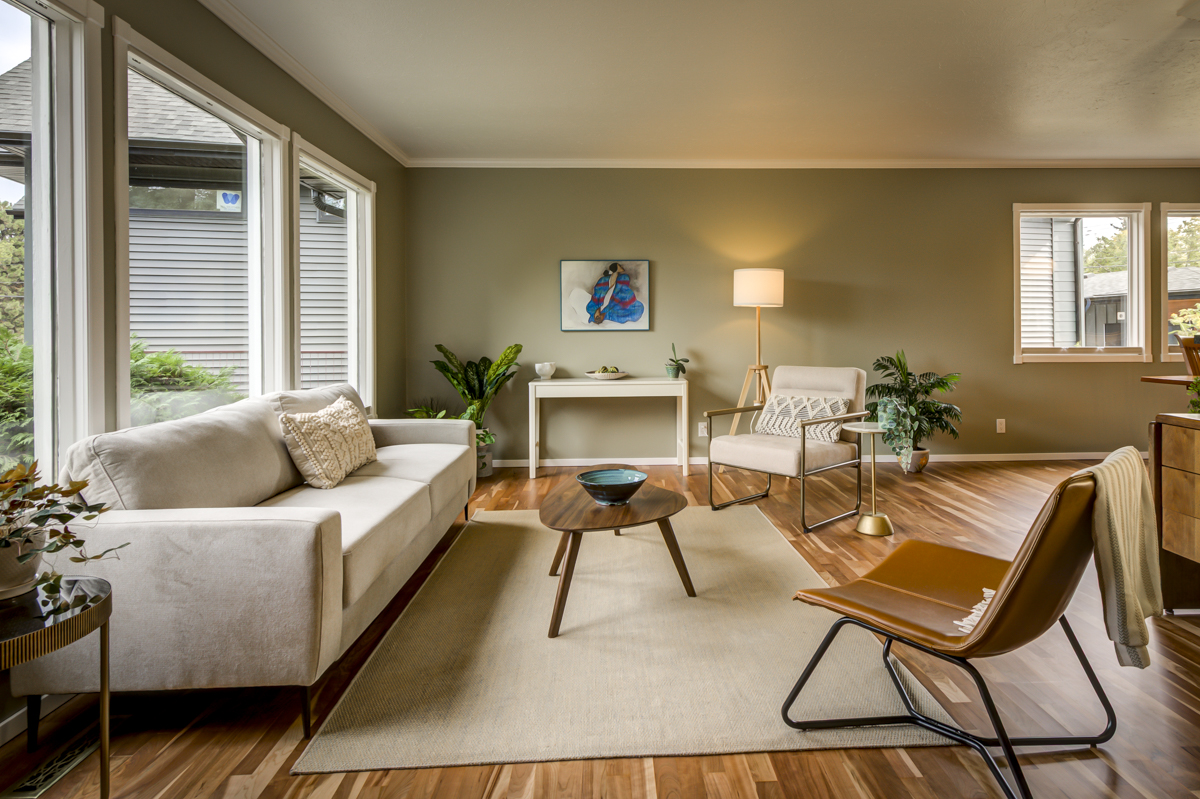
Is the kitchen genuinely too small, or do you dislike the cabinet colour?
Does the house lack natural light, or is someone using light bulbs normally reserved for hospital corridors?
Is the primary bedroom actually inadequate, or have we collectively decided that two adults can no longer survive without separate sinks, separate closets and enough ensuite space to conduct a small yoga class?
Could I Sell This House Again in Five Years?
There is another question I am asking while my buyers are looking at a house:
Could I sell this house for them in five years?
I don't know whether they will sell in five years. Maybe they will live there for thirty. But life changes. Jobs change. Relationships change. Families grow. Opportunities come up. The house you are absolutely certain you will never leave sometimes ends up back on MLS considerably sooner than anyone planned.
So while my buyers are deciding whether they love a house, I am also quietly looking at it as though I have to list it again.
Who will buy it from them? What will be easy to sell? What will I have to explain? Is today's beautiful renovation distracting us from something more important? Is the location going to limit our buyer pool? Is the layout unusual in a way that cannot easily be fixed? Are we paying a significant premium for finishes that will be five years older, and potentially five years less fashionable, when it is our turn to sell them?
And, just as importantly, what does this property have that I know I can sell?
A great street. A beautiful lot. Natural light. A functional floor plan. Good construction. Proximity to the river valley. A desirable school. Mature trees. Walkability. Something difficult to reproduce.
Those things give me confidence because their value extends beyond one person's taste at one particular moment.
That doesn't mean every home needs to appeal to everybody. Some of my favourite properties are unusual, and sometimes the thing that narrows the buyer pool is exactly what makes a house special.
But I want my buyers to understand the difference between personal preference and resale risk, and between things that are expensive to change and things that simply offend you every time you walk past them.
If you hate the backsplash, we can change the backsplash.
A furnace, windows, sewer line or roof can cost considerably more, yet none of them will make you fall in love with a house when you scroll past it online. Nobody has ever sent me a listing at midnight saying, “CAITLIN. LOOK AT THIS SEWER LINE.”
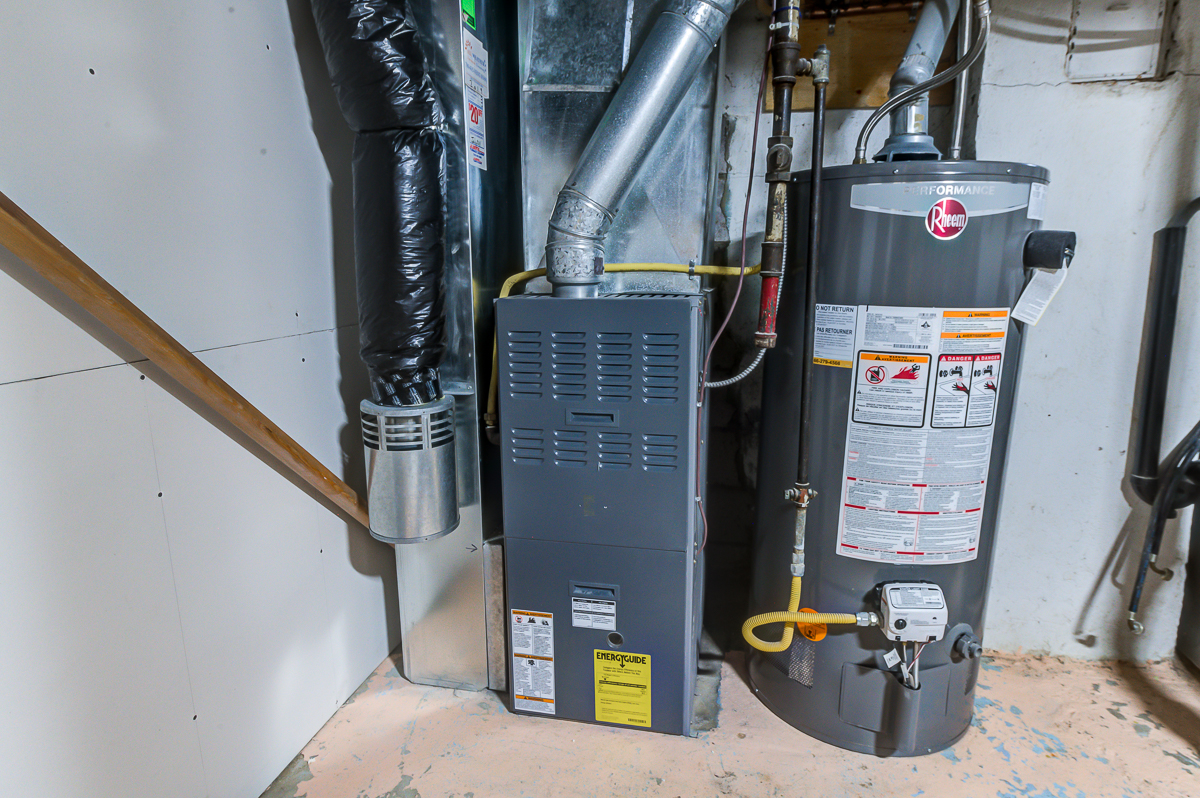
That is why I don't want a beautiful kitchen convincing you to overlook the wrong things, or an ugly backsplash convincing you to walk away from the right ones.
And if we overpay for a compromised location because we fell in love with that beautiful kitchen, I can't fix the location when I am standing beside you five years later trying to sell the house.
Buying well and selling well are not separate conversations.
For me, they start on the same day.
Before You Buy a House, Examine Your Metrics
Examine the metrics.
What actually makes a home good for you?
Is it the kitchen, or is it having a mortgage payment that leaves you comfortable every month?
Is it the ensuite, or is it living in a neighbourhood where you feel safe and genuinely want to spend your time?
Is it quartz countertops, or is it buying a house that has been responsibly maintained for thirty years?
Is it the finished basement, or is it getting the larger lot that will become increasingly difficult to reproduce?
Would you rather have the perfect house in your second-choice neighbourhood, or an imperfect house in the place you actually want to live?
There isn't one correct answer.
Your metrics should come from your life, your finances, your priorities and the way you actually want to live. They shouldn't simply be inherited from whatever happens to be filling your Instagram feed this year.
A Good Home Doesn't Have to Start Perfect
I am not suggesting buyers should settle for houses they dislike.
There are homes you should absolutely walk away from. There are renovations that don't make financial sense. There are layouts that cannot reasonably accommodate your life, locations that will never work for you and property conditions that carry very real costs.
But there is tremendous value in learning the difference between a house that is fundamentally wrong for you and a house that simply hasn't been finished to your taste yet.
Some of the best homes I have sold were not perfect when the buyers first walked through the door.
They became perfect over time.
The buyers chose well at the beginning. They bought the location. They bought the lot. They bought the bones. They recognized the things that were difficult or impossible to reproduce, and they understood that everything else could evolve with them.
I think we have lost a little bit of that.
There was something valuable about the idea of a starter home actually being a start. You bought the best house you could reasonably afford. You lived in it. You learned what mattered to you. You painted on weekends. You saved for the kitchen. Maybe you finished the basement five years later. The house changed as your life changed.
You didn't need to buy the finished version of your future on day one.
Maybe we need a little more imagination again.
And if you're completely overwhelmed trying to predict which design choices will still look good in ten years, please, for the love of everything, use white subway tile. I can date a renovation almost to the year by the tile alone. Somehow, white subway tile refuses to participate in this nonsense.
About Caitlin Heine
I'm Caitlin Heine, an Edmonton REALTOR® and owner of Iconic YEG Real Estate Team with RE/MAX Real Estate. After nine years of helping people buy and sell homes throughout Edmonton, I believe good real estate decisions start with understanding where the real value in a property exists, what can be changed, what can't, and which things will still matter long after the listing photos are gone.