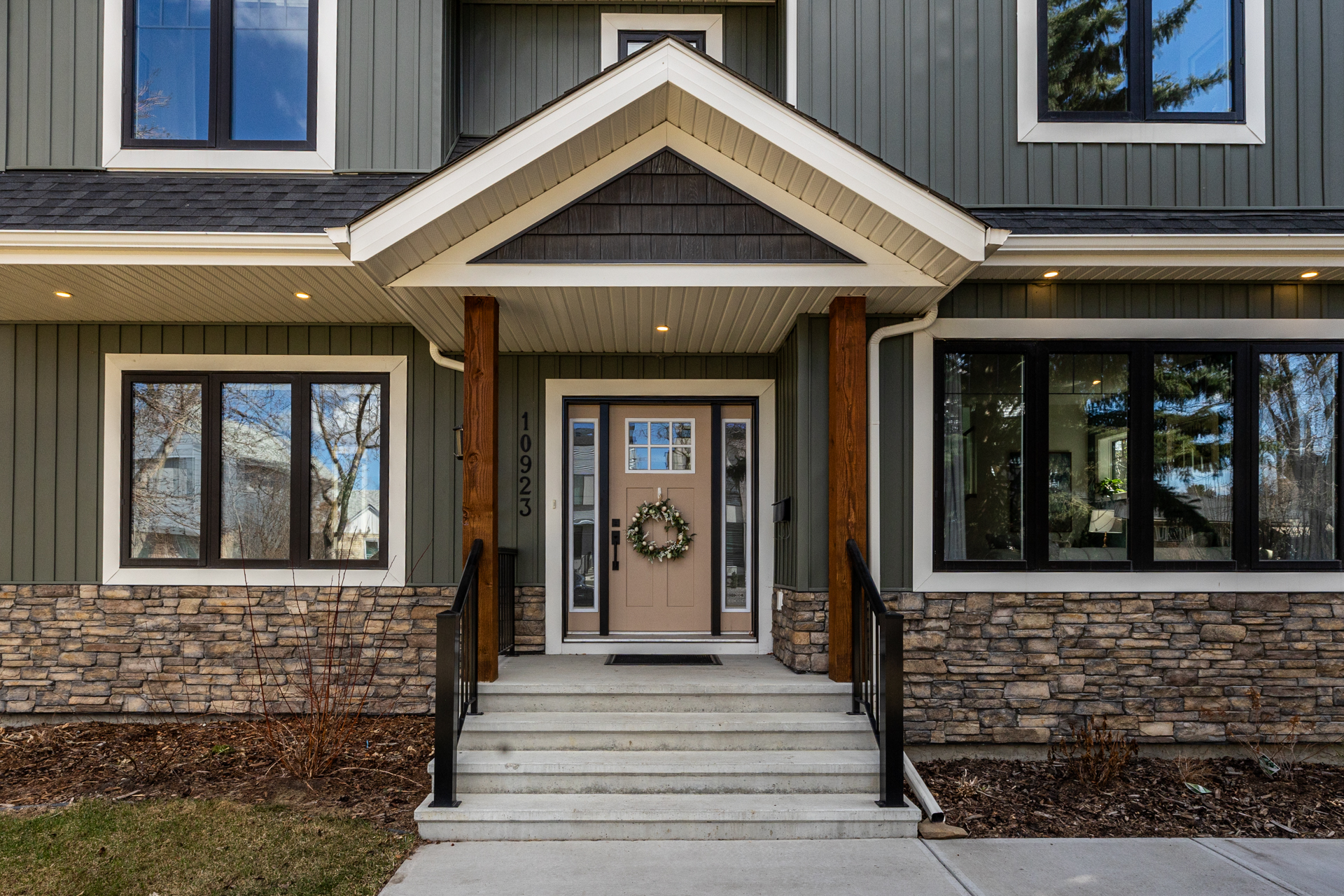
10 overlooked details that influence what buyers think your home is worth, and what you can improve before selling in 2027
After selling hundreds of homes and representing hundreds of buyers, I look at houses differently than I did when I first entered this industry.
I notice how a house sounds, how the temperature changes between rooms, how natural light travels through the living spaces, and whether the original features have been respected. I pay attention to the things homeowners have lived with for so long that they no longer notice them.
When I walk through a property with a prospective buyer, I am evaluating two things simultaneously: the house itself and the buyer's relationship with it.
Some of the most influential details have surprisingly little to do with the age of the kitchen, the cost of the flooring or the brand of the appliances. They have more to do with how comfortable the house feels, the confidence it inspires and the quality of life it appears to offer.
If you are considering selling your Edmonton home in 2027, winter is an excellent opportunity to look at your property from a different perspective. Before committing thousands of dollars to renovations, consider these ten things.
1. The way the front door opens, closes and feels
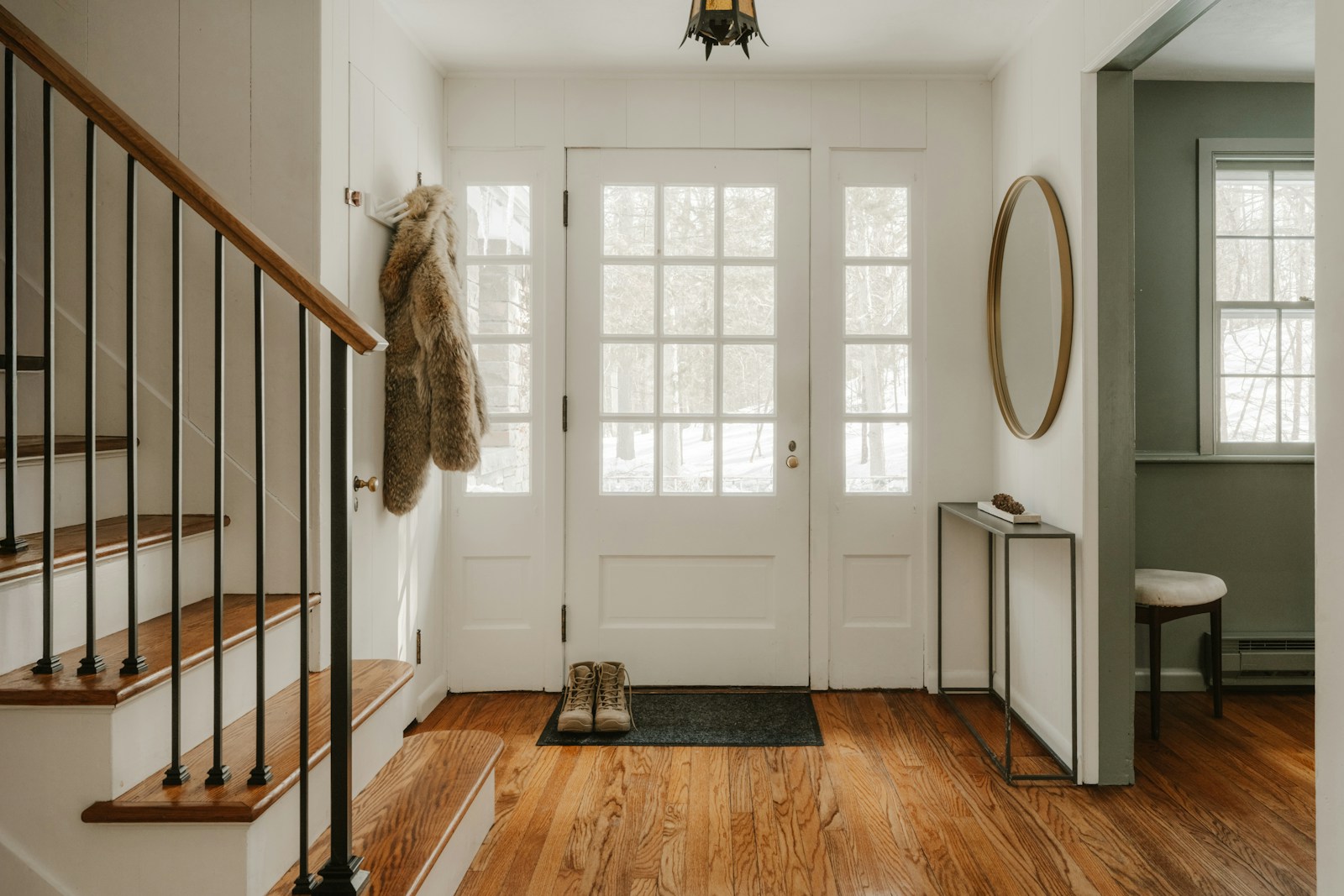
The first physical interaction a buyer has with your home is usually the front door.
A loose handle, a difficult lock, a door that sticks against its frame or weatherstripping that has deteriorated creates an impression before the buyer has even stepped inside.
Conversely, a substantial door with quality hardware that opens and closes smoothly can communicate a sense of craftsmanship and security.
What you can do this winter:
Tighten loose door handles and cabinet hardware.
Adjust doors that rub against their frames.
Replace deteriorated weatherstripping.
Repair loose stair railings and squeaking hinges.
Restore original hardware where appropriate.
Spend an afternoon opening and closing every door in your house. You might be surprised by how many small improvements you can make without replacing anything.
2. What the house smells like before anyone says a word
Every home has a scent, and most homeowners have become accustomed to their own.
The smell of pets, cooking, laundry products, damp materials or cigarette smoke can be immediately apparent to someone visiting for the first time.
A heavily fragranced home can also raise questions. If every room contains a scented plug-in, buyers may wonder whether there is something the homeowner is attempting to conceal.
A home that smells clean and fresh allows buyers to concentrate on the property itself.
What you can do this winter:
Wash fabric curtains, upholstery and removable furniture covers.
Clean the inside of closets, particularly those containing outdoor clothing.
Clean beneath appliances and inside garbage and recycling cupboards.
Check bathroom exhaust fans and replace furnace filters as required.
Investigate persistent musty smells in basements and storage rooms.
Ask someone who does not regularly visit your home to give you an honest opinion. Their first impression will be considerably more useful than your own.
Further reading: Health Canada's guide to indoor ventilation.
3. Whether the lighting makes the house feel more or less expensive
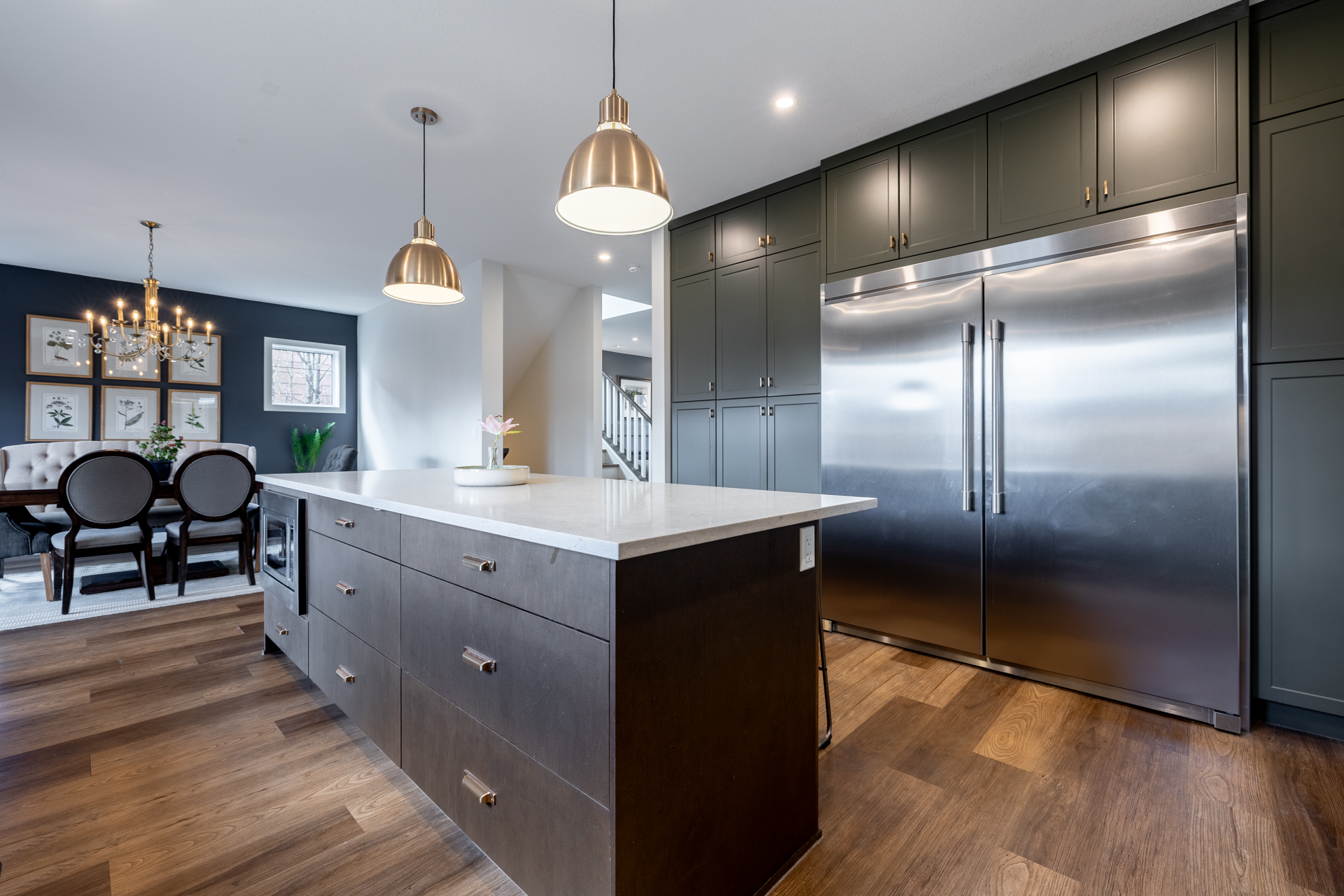
Lighting is one of the most underestimated opportunities to improve the presentation of a home.
A beautifully renovated house can feel cold under harsh overhead lighting. An older house with thoughtful lighting can feel warm, sophisticated and architecturally interesting.
I notice mismatched light bulb colours, dark corners, shadows across kitchen counters and rooms that depend entirely on a single ceiling fixture.
In Edmonton, where winter daylight is limited, the ability to make a home feel bright and inviting throughout the day is particularly valuable.
Research published in Regional Science and Urban Economics has also identified a relationship between access to sunlight and residential property values, although the size of that effect varies by market.
What you can do this winter:
Use similar colour temperatures within adjoining rooms.
Use warm white bulbs between 2700K and 3000K in living rooms and bedrooms.
Choose bulbs with a colour rendering index (CRI) of 90 or higher where practical, particularly around natural wood, artwork and quality finishes.
Add lighting at different heights using table lamps, floor lamps and existing wall fixtures.
Clean light fixtures, lampshades and windows.
Remove unnecessarily heavy window coverings.
Try photographing your living room at 4:30 p.m. on a December afternoon. Does the photograph make you want to spend an evening there?
4. How the house sounds when everyone stops talking
Sound is rarely discussed in home staging guides, yet it is an important part of how we experience a property.
I notice rattling vents, vibrating appliances, noisy bathroom fans, hollow interior doors, squeaking floors and the amount of traffic noise that travels through closed windows.
Buyers may struggle to identify precisely why one house feels more peaceful than another, but acoustic comfort can influence how they imagine living there.
What you can do this winter:
Secure loose heating registers and rattling vent covers.
Investigate unusually noisy furnace or ventilation equipment.
Repair squeaking doors and accessible sources of floor noise.
Add felt pads beneath furniture.
Use area rugs and appropriate soft furnishings to reduce excessive echo.
Check window and door seals for deterioration.
Turn off the television and music, sit in each room for a minute and listen. The sounds you have learned to ignore may be surprisingly noticeable to a prospective buyer.
5. The temperature near the windows, floors and exterior walls
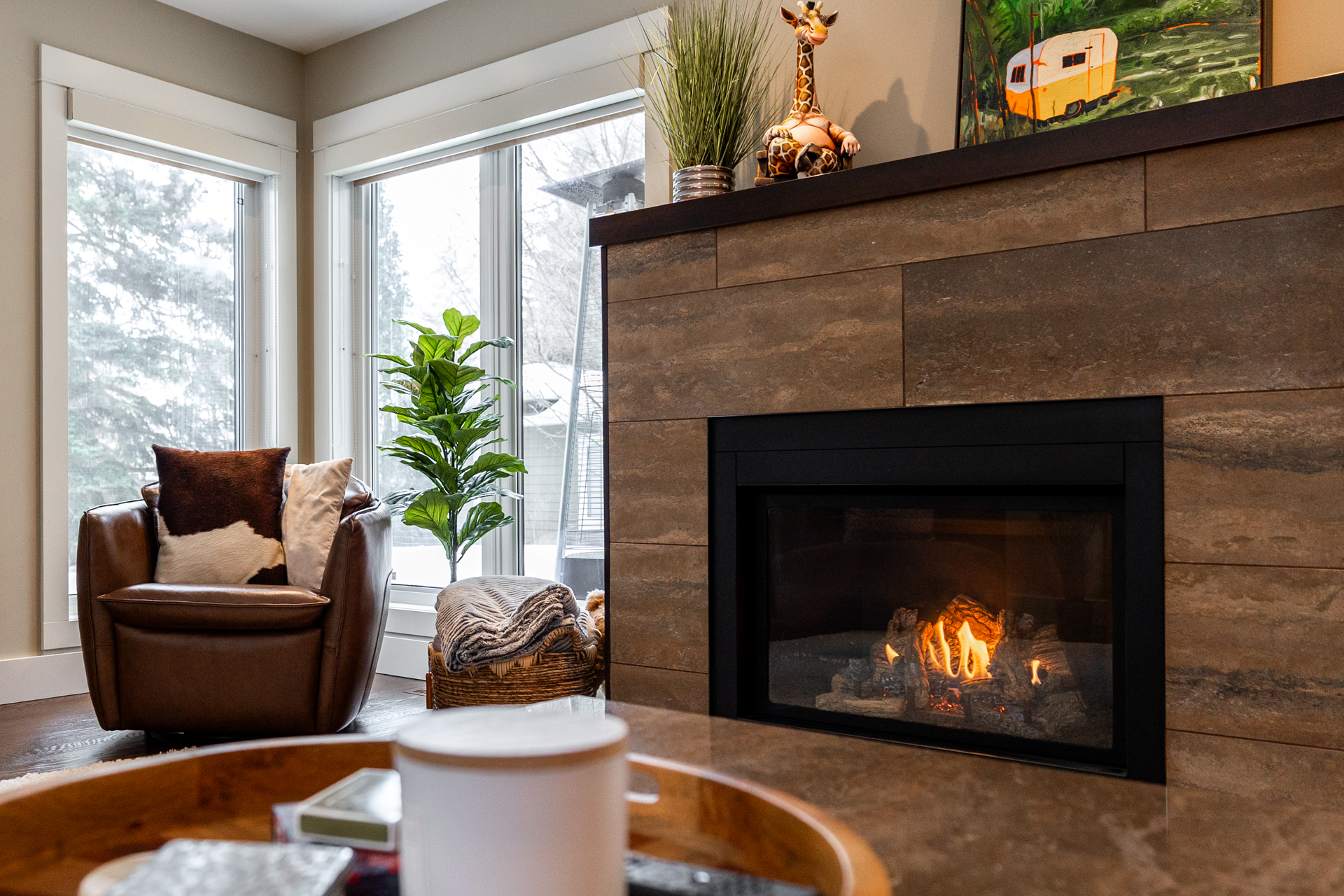
One of the advantages of viewing homes during an Edmonton winter is that cold weather reveals things about a property that are less obvious in July.
I notice whether there is a significant temperature difference between rooms, whether it feels comfortable standing beside a window, and whether a basement feels unusually cold or damp.
Buyers are considering more than their mortgage payment. They are thinking about utility costs, comfort and future maintenance. A house that feels comfortable throughout can make a strong impression, regardless of its age.
What you can do this winter:
Check for drafts around exterior doors and windows.
Inspect weatherstripping and door sweeps.
Ensure heating registers are unobstructed by furniture.
Investigate persistent condensation or frost on windows.
Have uneven heating or unexplained cold spots professionally assessed.
Gather documentation for previous insulation, window or mechanical upgrades.
You may not need new windows or an entirely new heating system. Understanding where the problem originates can help you avoid unnecessary expenses.
Further reading: Natural Resources Canada's home energy efficiency guide.
6. The quality of the details nobody photographs
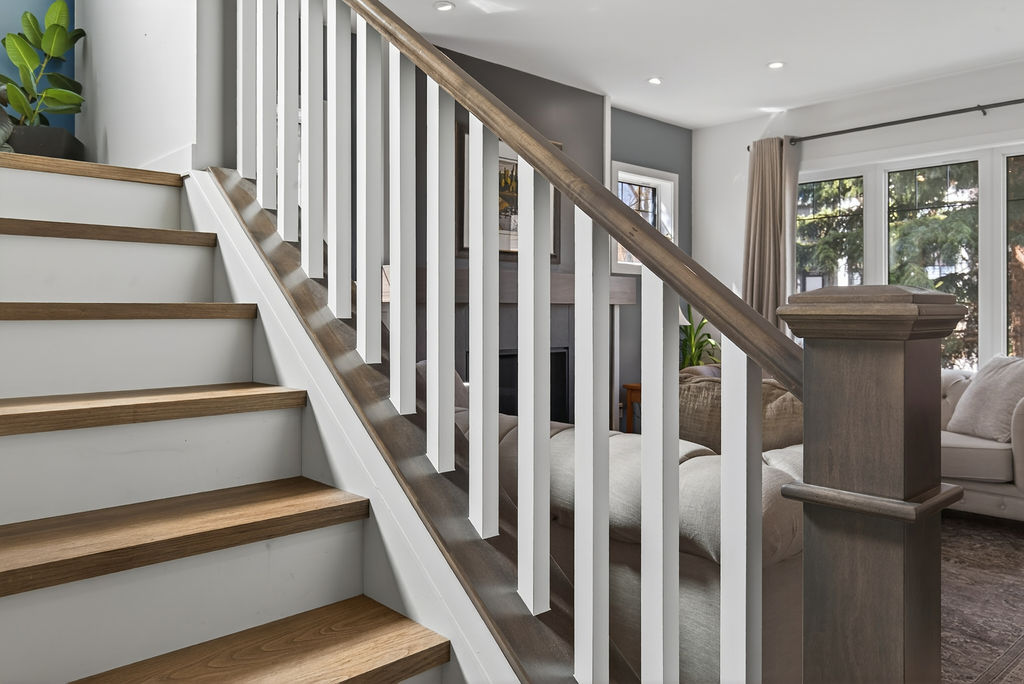
When I evaluate the quality of a renovation, I often look at the edges.
How does the flooring meet the baseboard? How do different flooring materials transition between rooms? Is the tile neatly finished? Are the electrical cover plates straight? Does the trim fit properly around the doors and windows?
These details tell me considerably more about the execution of a renovation than the price of the countertops.
Small deficiencies can also have a cumulative effect. One chipped baseboard is insignificant. A house with loose hardware, uneven paint lines, cracked caulking and poorly installed transitions may create questions about the quality of other work.
What you can do this winter:
Repair damaged baseboards and trim.
Replace cracked or discoloured electrical cover plates.
Correct poorly installed flooring transitions.
Repair minor cosmetic paint imperfections.
Replace deteriorated caulking after addressing any underlying moisture issues.
Have damaged cabinetry professionally adjusted or repaired.
Take photographs of your home's finishes from approximately two feet away. Look at the images as though you were considering purchasing the property.
The objective is to demonstrate care and quality, rather than make every surface look brand new.
7. Whether the house makes everyday life easier
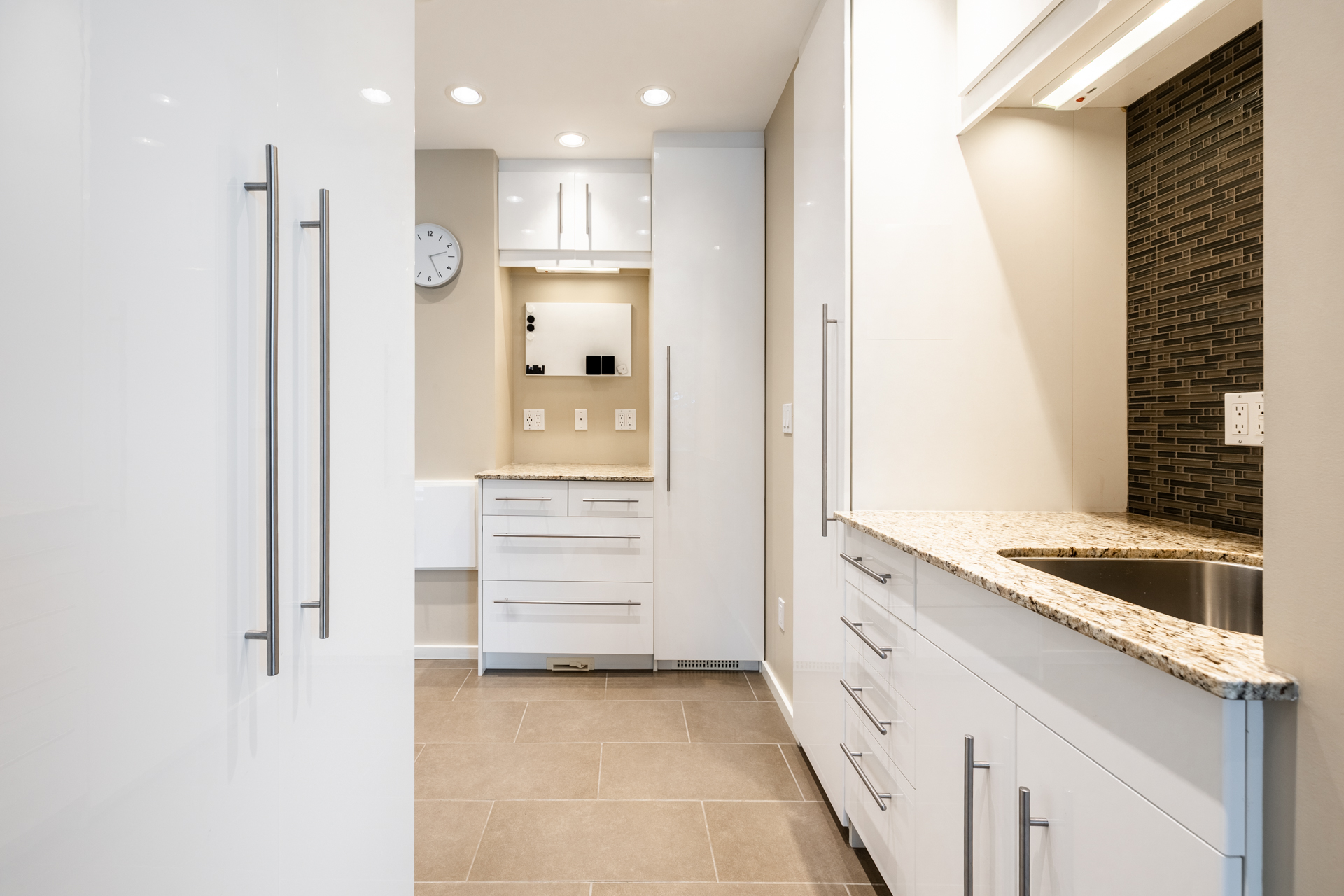
Some of the most desirable features of a home are remarkably ordinary.
A place to put groceries when entering from the garage. Somewhere to sit while putting on winter boots. A linen closet near the bedrooms. Enough kitchen drawers. A convenient place to charge a phone. Somewhere to store the vacuum.
When buyers walk through a property, they are often mentally moving their belongings into it.
I pay attention to how easily someone could establish their daily routines within the space.
A smaller house with well-designed storage and an intuitive layout may be more appealing to a particular buyer than a considerably larger property where those things have been overlooked.
What you can do this winter:
Create a dedicated drop zone near the entrance.
Improve the organization of existing closets.
Install useful shelving in underutilized spaces.
Make storage accessible without moving several other objects.
Give awkward or unused areas a clearly defined purpose.
Arrange furniture so buyers can move naturally between rooms.
Before considering an expensive addition or structural renovation, examine whether your existing square footage is being used to its full potential.
8. Whether the original character of the house has been respected
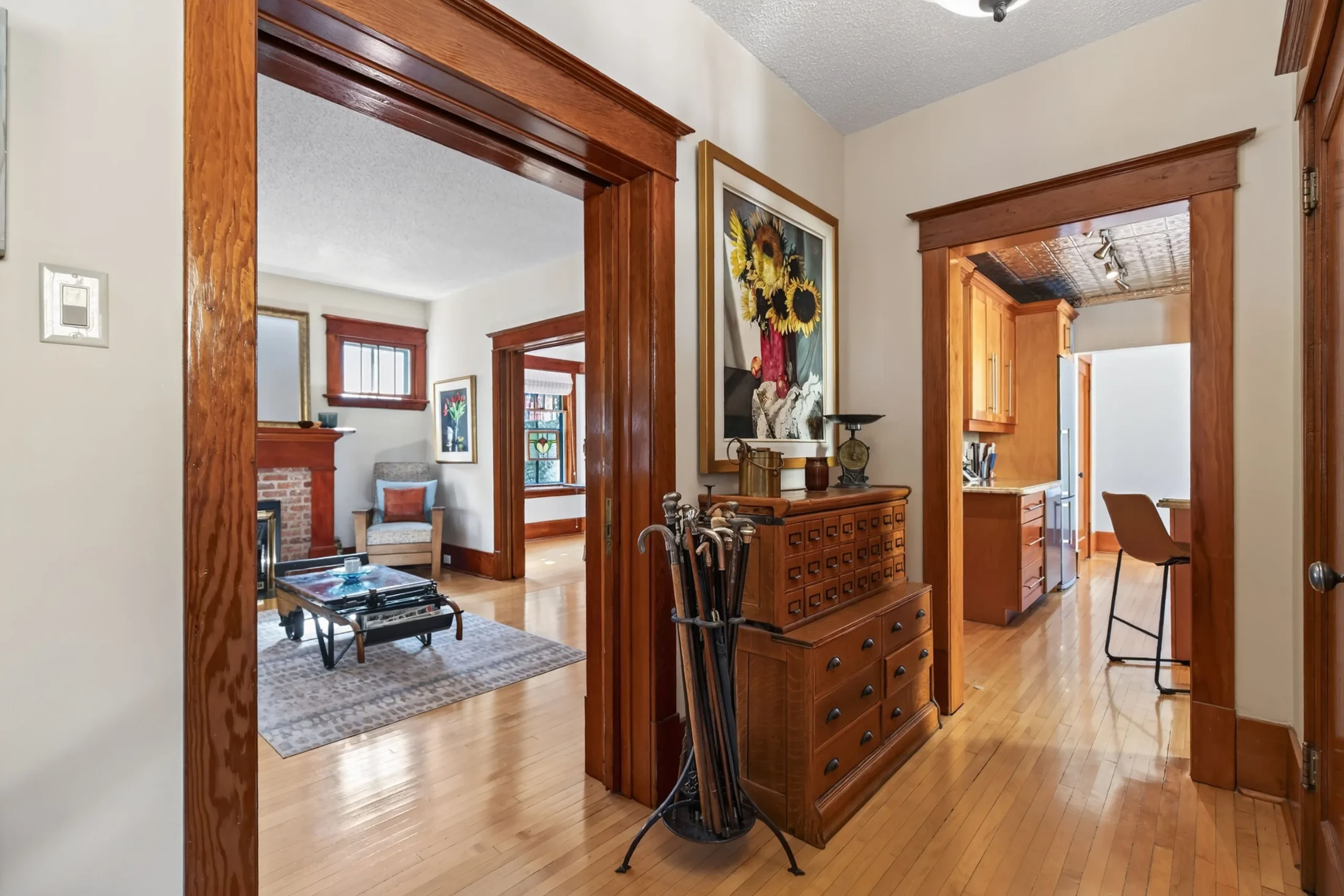
This is particularly important in Edmonton's mature neighbourhoods.
A century-old house in Highlands, a mid-century bungalow in Parkview, and a contemporary infill in Bonnie Doon offer entirely different architectural experiences. Their individuality is often part of the reason buyers are interested in them.
Original hardwood, substantial millwork, built-in cabinetry, historic hardware, brick fireplaces and unique architectural features can all contribute to a property's appeal.
One of the more unfortunate things a homeowner can do before selling is remove something distinctive in an attempt to make their house more universally appealing.
Buyers interested in character homes are often specifically seeking features that would be difficult or expensive to recreate today.
What you can do this winter:
Investigate whether original hardwood can be restored.
Repair original woodwork before considering replacement.
Clean and preserve historic door hardware.
Highlight built-in cabinetry with thoughtful lighting.
Research the architectural history of your home.
A thoughtful restoration can sometimes be a much better decision than a fashionable renovation.
9. The evidence of how the home has been maintained
I am always interested in the parts of a property that are unlikely to appear in the listing photographs.
The mechanical room. The area beneath the kitchen sink. The basement windows. The exterior grading. The downspouts. The accessible plumbing and electrical components.
In Edmonton, where spring snowmelt, freezing temperatures and seasonal weather changes can affect buildings, preventative maintenance is particularly important.
A homeowner who has invested in drainage, insulation, ventilation, roofing or mechanical maintenance has made improvements that may be far less visually exciting than a new kitchen but are meaningful to an informed buyer.
What you can do this winter:
Organize the mechanical room and keep equipment accessible.
Check beneath sinks for leaks or previous water damage.
Ensure basement window wells are clear.
Review downspout extensions and drainage before spring.
Arrange overdue mechanical maintenance.
Investigate water staining, unusual cracks or recurring moisture.
Further reading: City of Edmonton: Lot Grading Issues and Government of Canada: Home Inspections.
10. How much uncertainty comes with buying the house

The final consideration extends beyond the physical appearance of a property. How old is the roof? When was the sewer line replaced? Were permits obtained for the basement development? Who installed the windows? Has the furnace been serviced? What are the typical winter utility costs?
Every unanswered question introduces a degree of uncertainty for a buyer.
One of the most valuable things you can do before selling is create a comprehensive record of your home's history.
Create a home ownership file containing:
Renovation invoices and contractor information.
Building permits and inspection records.
Roof, window, furnace and appliance installation dates.
Transferable warranties.
Recent utility bills.
Sewer scope reports, if available.
Maintenance and servicing records.
Real Property Report and municipal compliance documentation, where applicable.
Photographs of improvements completed behind walls or beneath finished surfaces.
Some of the most substantial investments in a home are completely invisible once construction is finished. Providing documentation allows those improvements to become part of the property's story and gives buyers information they can use when evaluating their purchase.
Thinking about selling your Edmonton home in 2027?
You do not need to be ready to list your home to have a conversation with a REALTOR®.
In fact, I prefer meeting with homeowners several months before they intend to sell. It gives us time to evaluate the property, identify its strongest selling features, understand the competition and make informed decisions about where to invest money and where to leave things alone.
Every house is different. The improvements that make sense for a bungalow in Capilano may be entirely different from those that benefit a character home in Riverdale, a two-storey in Glenora or a condominium in Oliver.
My role begins well before your property reaches the market. I want to understand your home, your circumstances and what you are hoping to accomplish, and help you make decisions that serve those objectives.
If selling is something you are considering in 2027, winter is an excellent time to start that conversation.